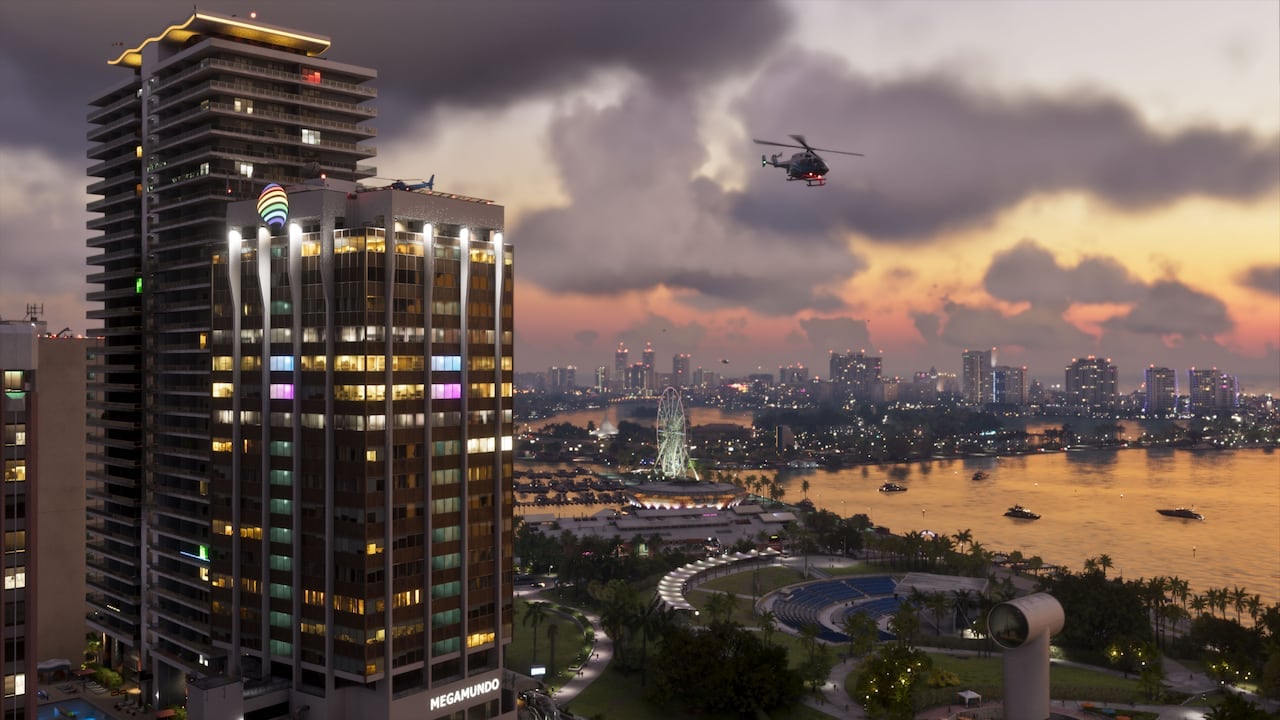
Vice City, 24 Years Later
Twenty-four years is a lifetime for a video-game city. In 2002, Grand Theft Auto: Vice City arrived as a sun-bleached 1980s crime fantasy: palm trees, pastel suits, fast cars, louder radios and one man climbing a criminal ladder. In 2026, Rockstar is bringing the name back inside Grand Theft Auto VI-but the interesting part is not simply that the graphics are sharper.
It is that Vice City is no longer being asked to replay its old act.
Rockstar lists the original game’s release date as October 27, 2002. That makes GTA VI’s return to Vice City a 24-year handoff in the real world. The first game was explicitly set in an 1980s fantasy; Rockstar’s current GTA VI material instead introduces Jason and Lucia, and a criminal conspiracy reaching across the state of Leonida.
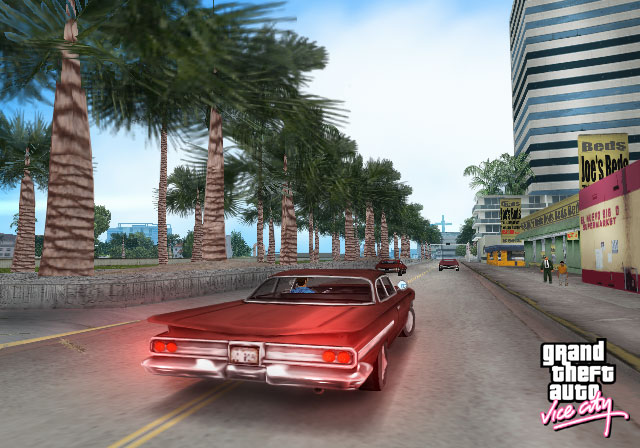
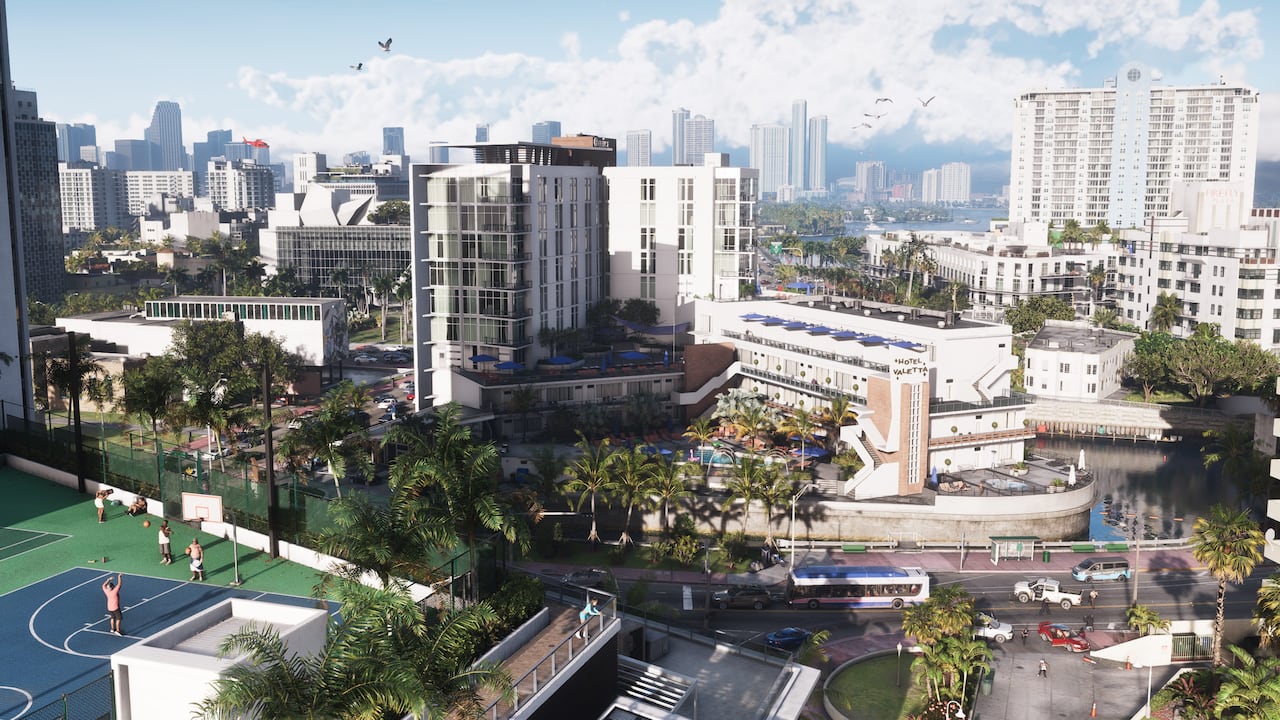
This is an era comparison, not a claim that these are the same street. The city name is the connection; the point is how radically the frame has changed.
Two visual callbacks worth looking at
Ocean Beach → Ocean View Hotel
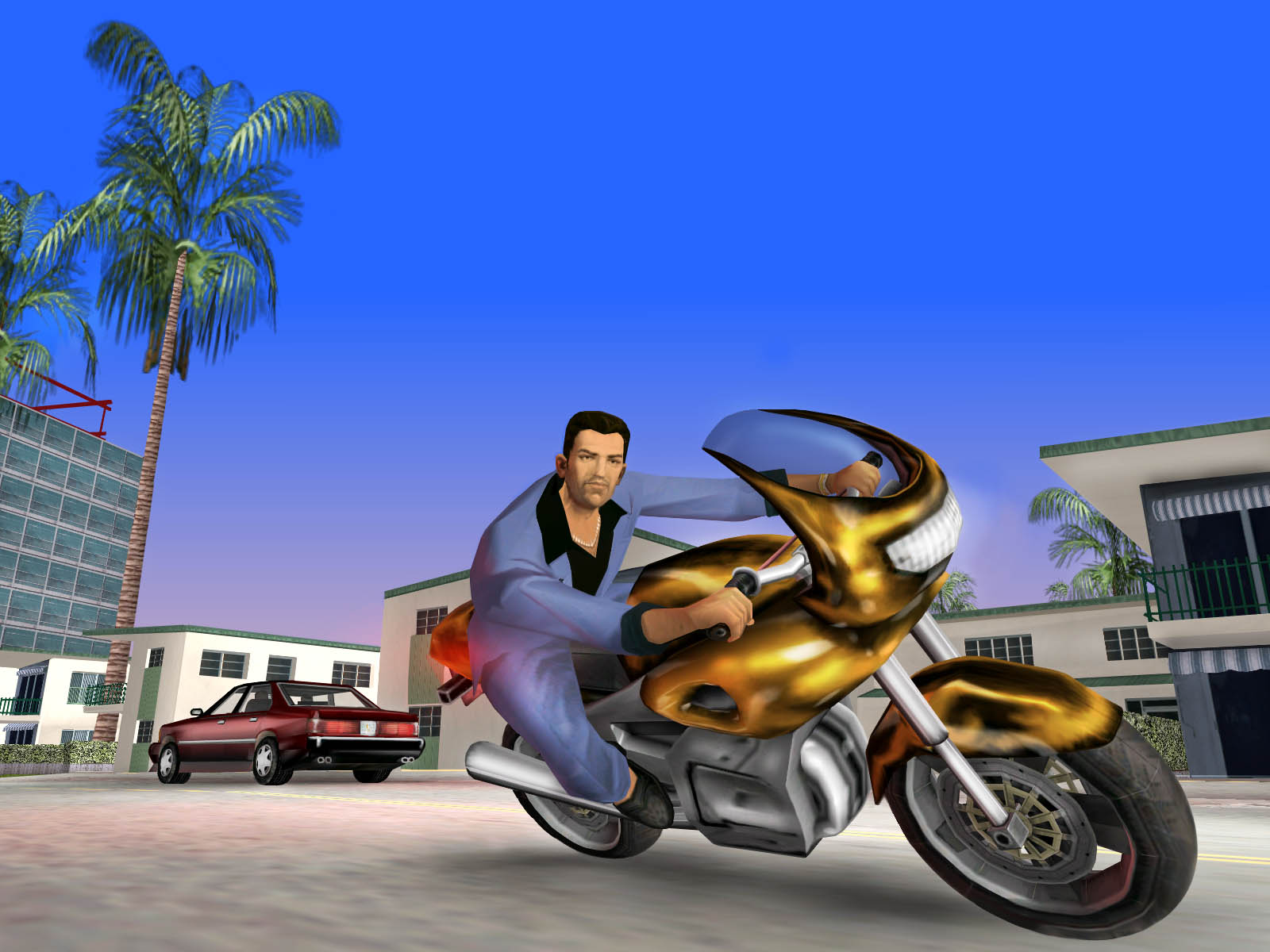
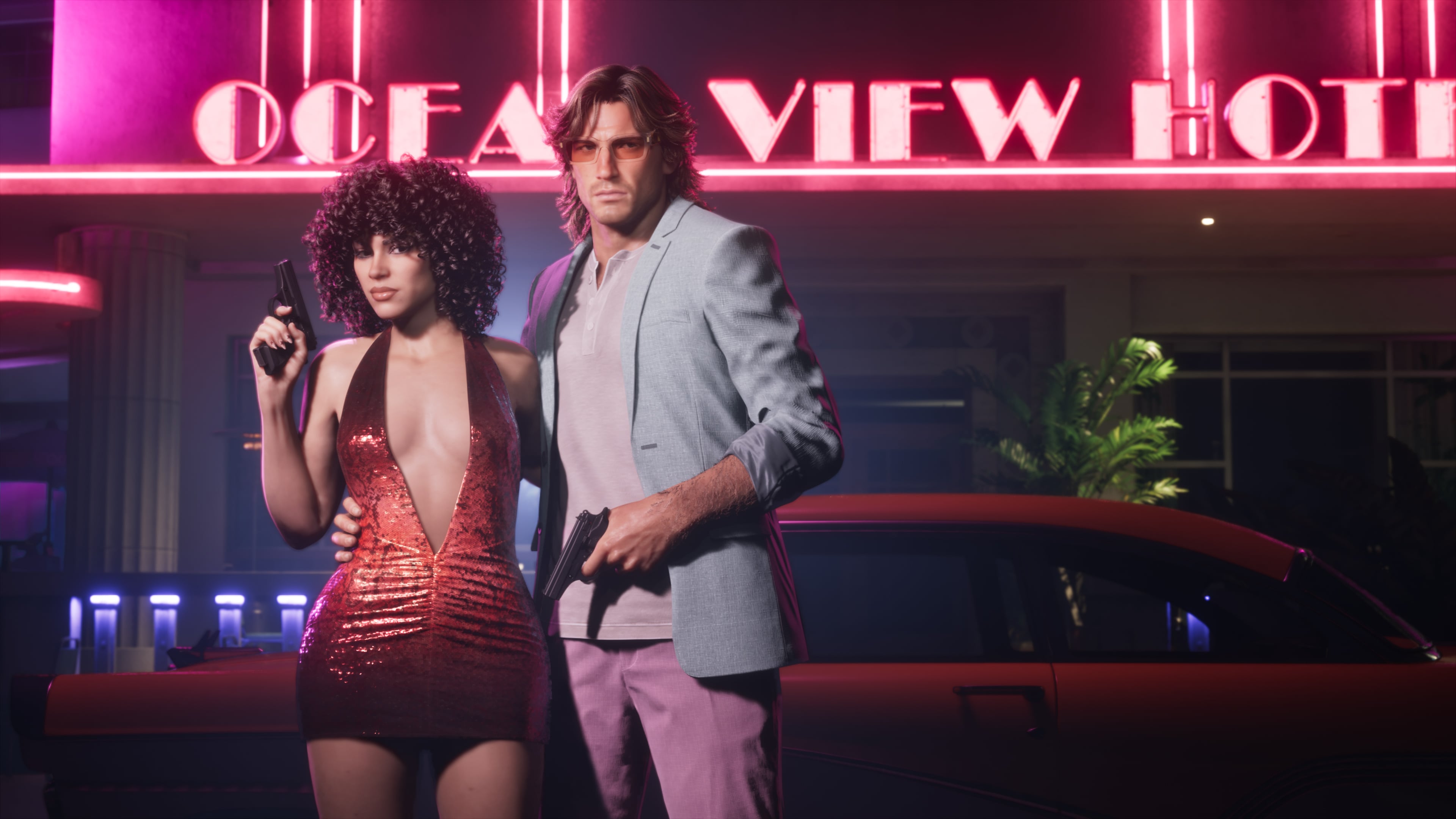
The cleanest callback is the Ocean View Hotel. Rockstar’s original Vice City material identifies it as one of the city’s places to stay; Rockstar’s current GTA VI media puts the name back in neon. The façade has been redesigned, so this is a named-location comparison-not a claim that the two frames use an identical camera position or building geometry.
Malibu Club → GTA VI nightlife
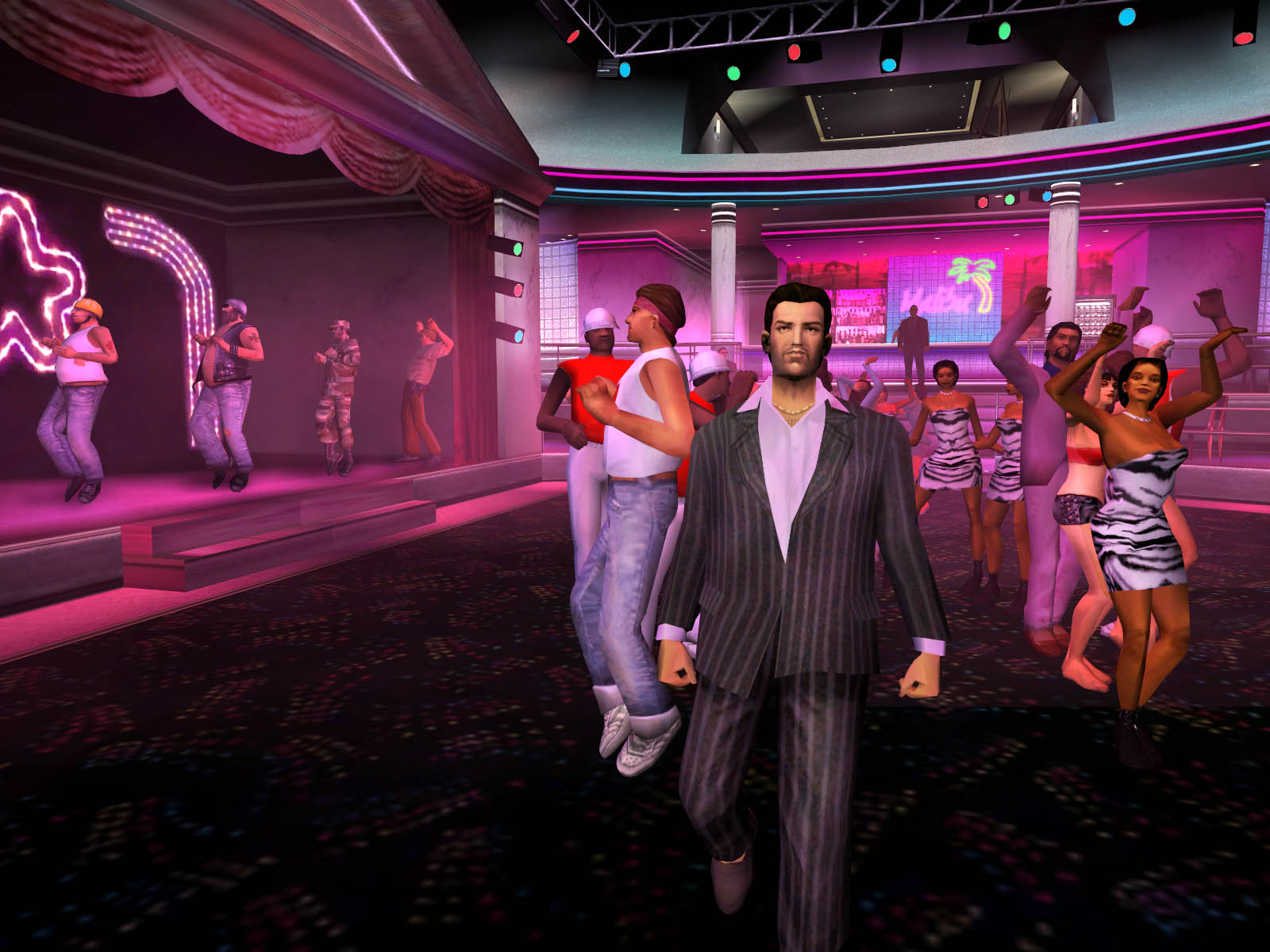
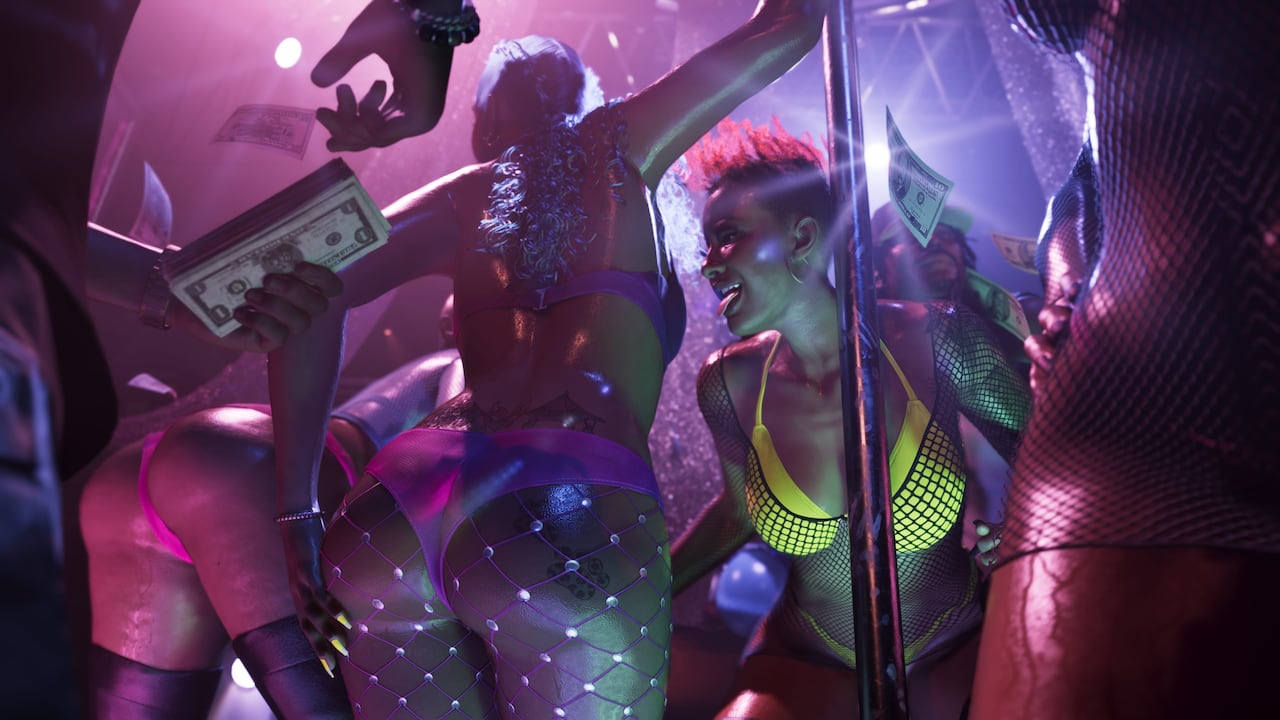
This second pair is a visual callback, not a confirmed return of the Malibu Club building. The original club was one of Vice City’s signature neon interiors; GTA VI’s official nightlife image shows that the city is still selling the same dangerous, electric after-dark fantasy-only louder and more crowded.
The original city was a feeling first
The 2002 Vice City was not trying to be a literal Miami simulator. Rockstar sold it as a city stretching from “the beach to the swamps” and from “glitz to the ghetto,” wrapped around one man’s rise to the top of the criminal pile. Its power came from compression: a whole pop-cultural idea of the 1980s packed into one volatile, driveable postcard.
That is why people remember more than missions. They remember the colour of the sky, the radio stations, the sharkskin suits, the sound of a sports car bouncing off a neon-lit boulevard. Vice City had a temperature.
GTA VI keeps the heat, changes the weather
Rockstar’s official GTA VI page still calls Vice City home to neon-soaked streets. That continuity matters: the beach-city glamour, the appetite for spectacle and the darker side beneath it are still part of the identity.
But GTA VI is not being framed around a single 1980s outsider taking over town. Rockstar’s published setup follows Jason and Lucia after a score goes wrong, pulling them into a conspiracy that stretches across Leonida. Vice City is now a major part of a larger place-and the city has to make room for a different kind of story.
The shift is easy to see even before anyone touches a controller. The old image sells a clean fantasy: a broad road, palms, a low-slung car and a skyline just far enough away to promise adventure. The new one sells density. Water, towers, traffic, people, hotel signage and a city that looks like it keeps going after the frame ends.
Not a remake. A return.
Calling GTA VI “Vice City again” is true, but incomplete. What Rockstar has actually announced is a new Grand Theft Auto story in Leonida, with Vice City at its neon-lit centre-not a recreation of the 2002 game’s plot or decade.
That leaves room for the best kind of continuity: the things fans recognise without the city being trapped by them. Vice City can still be glamorous, predatory, funny, absurd and dangerous. It just does not need to wear 1986 like a costume forever.
Why the 24-year gap matters
The distance between the two games is part of the story. The 2002 Vice City turned a memory of Miami into a playable myth. GTA VI arrives after social feeds, phone cameras and modern celebrity culture have changed what a “sunshine state” fantasy even looks like.
Rockstar’s current description calls Leonida the “sunniest place in America,” then immediately points to its darkest side. That tension is pure Vice City. The difference is scale: what once felt like one city’s dirty dream now has an entire state around it.
The old Vice City taught players to look for the neon. GTA VI looks ready to ask what is hiding behind it.
Rockstar currently lists Grand Theft Auto VI for November 19, 2026.